Header image: Acne Scars
Revive Your Skin: Advanced Solutions for Acne and Scars

Acne & Acne Scar Treatment — Dermatologist-Led Care, Delhi NCR

Dermatologist-led acne and acne scar treatment across Delhi, Gurgaon, and Noida. Fractional CO2, microneedling, and medical peels — personalised plans from 15+ specialists. Book a free consultation.

AI Skin Analysis

Your acne & scars plan, decoded by AI.

Every acne & scars consultation at Uncover begins with an AI skin analysis that maps your unique profile — pigmentation, pores, texture, hydration, pollution damage — before your dermatologist builds a acne & scars plan based on real data, not guesswork.

  • Pigmentation mapped per zone
  • Pores & texture baselined
  • Hydration index per area
  • Pollution damage scored
Medically reviewed by Dr. Isha Narang · Senior Consultant Dermatologist & Hair Transplant Surgeon

Understanding Acne and Acne Scars
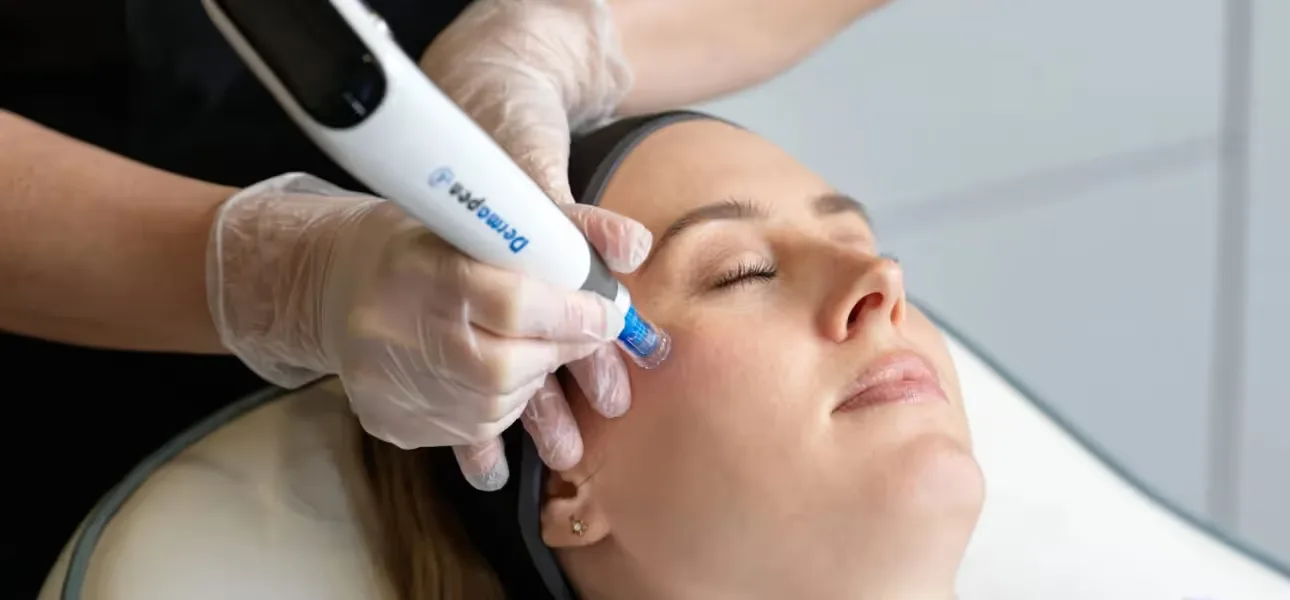
Acne and scars technology

Acne is one of the most common skin conditions worldwide, affecting teenagers and adults alike. It occurs when hair follicles become blocked with sebum (oil) and dead skin cells, creating an environment where Cutibacterium acnes bacteria flourish and trigger inflammation. The result can range from comedones (blackheads and whiteheads) to painful cysts and nodules.

When acne lesions heal - particularly inflammatory ones - they often leave behind scars and pigmentation that can persist for years. Scarring occurs because the skin's collagen repair process is disrupted during deep inflammation, leading to either loss of tissue (atrophic scars) or excess tissue (hypertrophic scars).
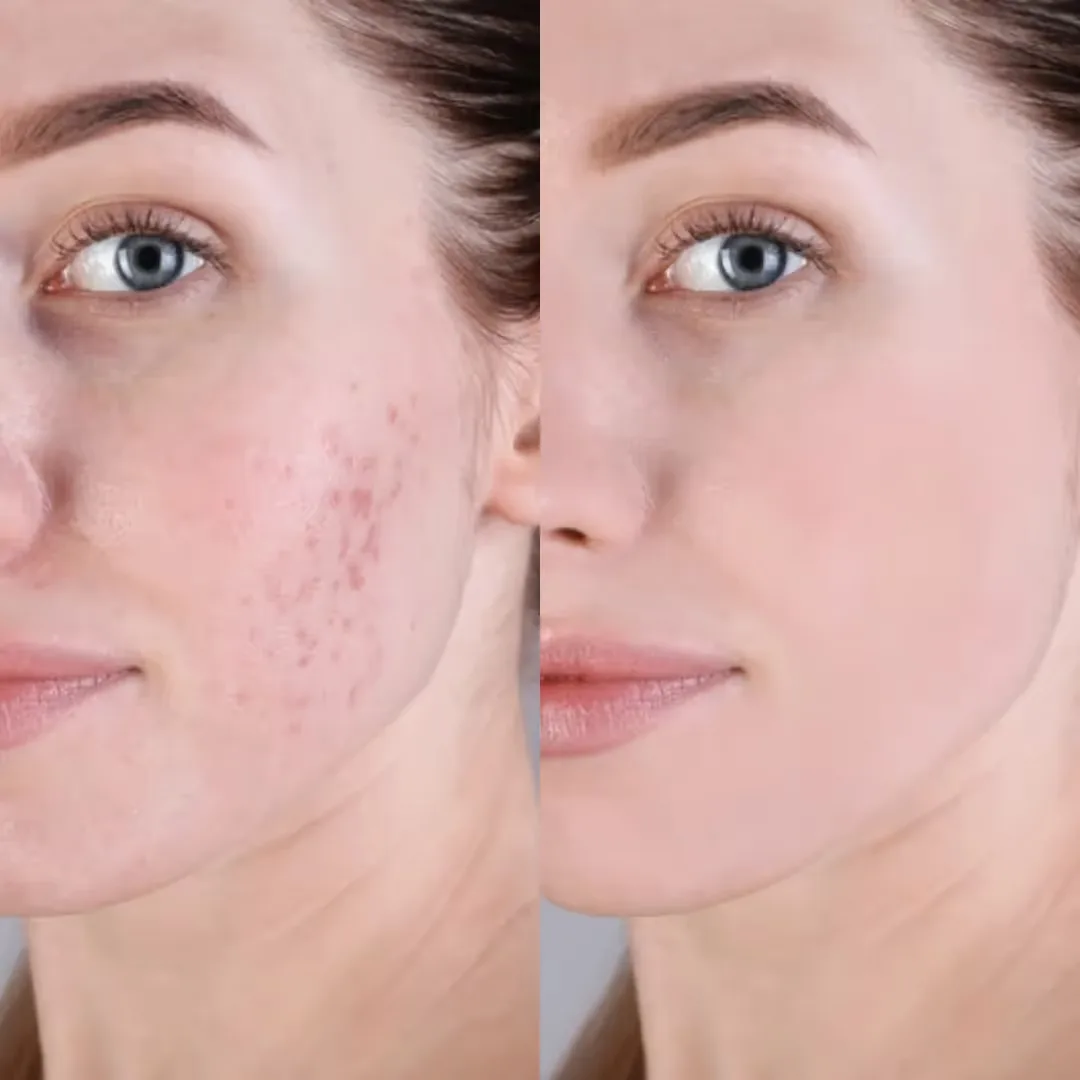

Types of Acne Scars

Not all acne scars are the same - and identifying the type is key to choosing the right treatment.

  • Ice pick scars - Deep, narrow, V-shaped scars that look like the skin has been pierced with a sharp tool. These are the most challenging to treat and often require fractional CO2 laser or TCA CROSS.
  • Rolling scars - Shallow, wave-like depressions with sloping edges caused by fibrous tethering beneath the skin. Subcision combined with microneedling or fillers works well.
  • Boxcar scars - Broad, rectangular depressions with sharp vertical edges, similar in appearance to chickenpox scars. Fractional laser and microneedling with RF are highly effective.
  • Hypertrophic/keloid scars - Raised, thickened scars more common on the chest, back, and jawline. Treated with intralesional steroids and laser.
  • Post-inflammatory hyperpigmentation (PIH) - Flat, dark marks left after an acne lesion heals. Not a true scar, but often mistaken for one.

Common Causes of Acne

  • Excess sebum - Overactive sebaceous glands produce more oil than the skin needs
  • Clogged follicles - Dead skin cells mix with oil to block pores
  • Bacterial overgrowth - P. acnes bacteria trigger immune response and inflammation
  • Hormones - Androgens, PCOS, and menstrual cycles strongly influence breakouts
  • Picking and squeezing - Damages the follicle wall and drives deeper inflammation
  • Comedogenic skincare - Heavy oils, silicones, and occlusive ingredients
  • Diet and lifestyle - High-glycaemic foods, dairy, stress, and poor sleep

Advanced Treatment Solutions at UNCOVER

Acne and scars solutions

At UNCOVER Clinic, we take a multi-layered approach - first controlling active acne, then systematically addressing scars, pigmentation, and texture.

Our Treatment Philosophy

Clearing acne is step one - repairing the skin is step two. We always begin with a thorough dermatological consultation to identify hormonal, dietary, or topical triggers, then stabilise active breakouts with medical-grade skincare before commencing scar revision procedures. Treating scars while acne is still active can worsen inflammation and post-inflammatory pigmentation.

What to Expect

Most patients need a combination of treatments over 3-6 months for visible improvement, with full collagen remodelling continuing for up to a year after your final session. Daily sunscreen use (SPF 50+) is non-negotiable during and after treatment - UV exposure darkens PIH and slows collagen repair.

Frequently Asked Questions

How many sessions of acne scar treatment will I need?

Most patients need 4–6 sessions of fractional CO2 laser or RF microneedling spaced 4–6 weeks apart. Ice pick and deep boxcar scars often need the longer end of that range. Your dermatologist will map the mix of scar types on your skin and give you a session count at your AI skin analysis.

What is the best treatment for acne scars on Indian skin?

On Indian skin (Fitzpatrick III–V), we prefer treatments with a low risk of post-inflammatory hyperpigmentation: RF microneedling, subcision, TCA CROSS for ice pick scars, and fractional CO2 at conservative settings. Q-switch laser toning is commonly added to address PIH (dark marks) alongside the scar itself.

How much does acne scar removal cost in Delhi?

Acne scar treatments at Uncover start at ₹10,999 for microneedling and ₹15,999 for advanced protocols. Fractional CO2 and combination plans are quoted after the consultation because they depend on scar type and area. We share a full itemised plan before you commit.

Can acne scars be permanently removed?

Most acne scars can be reduced by 60–80% with a structured plan. Ice pick and severe atrophic scars rarely go to 100%, but they can be smoothed enough that they are no longer noticeable in everyday lighting. Hypertrophic and keloid scars can be flattened dramatically with intralesional steroids and pulsed-dye laser.

Is laser treatment for acne scars safe?

Yes, when performed by a dermatologist. Every laser at Uncover is US-FDA approved, and every treatment is planned based on your Fitzpatrick skin type and scar pattern. We do a test spot for patients with darker skin before the first full session.

What is the difference between acne scars and post-inflammatory hyperpigmentation?

Acne scars are changes in skin texture (pits, bumps, depressions). PIH is the flat brown or red mark left after an acne lesion heals — it's pigment, not scarring. PIH usually fades with laser toning and medical peels; true scars need collagen-stimulating treatments like microneedling or fractional CO2.

Can I do an acne scar treatment while I still have active acne?

Active acne has to be controlled first — treating scars on skin with active inflammation can worsen both. Your dermatologist will get the active breakouts under control (usually 4–8 weeks) before starting the scar phase of your plan.

How soon will I see results?

Visible improvement begins around weeks 4–6 as collagen remodelling kicks in. Peak results appear 3–6 months after the last session. We book a review at 90 days to re-assess and fine-tune the plan.

Ready to address your concerns?

Book a consultation with our expert dermatologists today.

Book FREE Appointment
Call to Book Book FREE Appointment