Header image: Hyper-Pigmentation
Clear. Even-Toned. Smooth

Pigmentation Treatment — Melasma, Dark Spots & Hyperpigmentation

Dermatologist-led pigmentation treatment for melasma, hyperpigmentation, dark spots, and PIH. Q-switch laser toning and medical peels safe for Indian skin. Book a free AI skin analysis.

AI Skin Analysis

Your hyperpigmentation plan, decoded by AI.

Every hyperpigmentation consultation at Uncover begins with an AI skin analysis that maps your unique profile — pigmentation, pores, texture, hydration, pollution damage — before your dermatologist builds a hyperpigmentation plan based on real data, not guesswork.

  • Pigmentation mapped per zone
  • Pores & texture baselined
  • Hydration index per area
  • Pollution damage scored
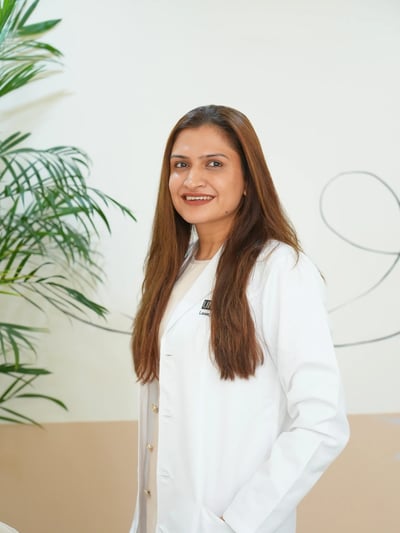
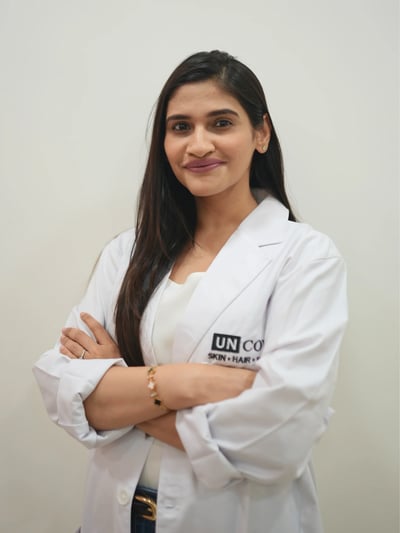
Medically reviewed by Dr. Isha Narang · Senior Consultant Dermatologist & Hair Transplant Surgeon

Understanding Hyperpigmentation

Hyperpigmentation is a catch-all term for any condition in which patches of skin become darker than the surrounding area due to excess melanin. It is one of the most common - and most frustrating - concerns among Indian and South Asian patients, whose naturally active melanocytes make pigmentation easier to develop and harder to reverse.

Successfully treating hyperpigmentation requires an accurate diagnosis: melasma, post-inflammatory hyperpigmentation (PIH), sun spots, and freckles each respond differently to different modalities. A one-size-fits-all approach often fails - or worse, triggers rebound pigmentation.

Types of Hyperpigmentation

  • Melasma - Symmetrical brown-grey patches on the cheeks, forehead, upper lip, and jawline. Triggered by hormones (pregnancy, OCPs) and worsened by UV, heat, and visible light. Notoriously chronic and prone to recurrence.
  • Post-inflammatory hyperpigmentation (PIH) - Flat dark spots that appear after acne, insect bites, eczema, or injury. More common and persistent in darker skin tones.
  • Solar lentigines (sun spots / age spots) - Well-defined brown spots from cumulative sun exposure, usually on the face, hands, and shoulders.
  • Freckles (ephelides) - Small, light-brown macules that appear or darken with sun exposure, often genetic.
  • Periorbital hyperpigmentation - Dark circles under the eyes from vascular, pigmentary, or structural causes.

Why Pigmentation Happens

  • UV radiation - The single biggest driver, stimulating melanocytes to overproduce melanin
  • Hormones - Oestrogen and progesterone upregulate melanin synthesis (hence melasma in pregnancy)
  • Inflammation - Any skin injury triggers a melanocyte response, leaving dark marks
  • Heat and visible light - Recent research confirms that infrared and blue light worsen melasma
  • Genetics - Fitzpatrick skin types IV-VI are biologically predisposed

Advanced Pigmentation Solutions at UNCOVER

Hyperpigmentation solutions

Our dermatologists combine in-clinic procedures with prescription skincare to suppress melanin production, exfoliate existing pigment, and prevent recurrence.

The UNCOVER Approach

Pigmentation treatment must be gentle, progressive, and personalised - especially on Indian skin. Aggressive procedures can trigger rebound pigmentation worse than the original problem. We use low-fluence, multi-pass laser protocols and carefully titrated peels, supported by prescription topicals (hydroquinone, tranexamic acid, azelaic acid, retinoids) and rigorous sun protection.

What to Expect

Most patients require 4-8 sessions of laser toning or peels, spaced 2-4 weeks apart. Visible lightening begins after 2-3 sessions and continues improving over months. Daily broad-spectrum SPF 50+ (with iron oxides for melasma) is essential - without it, pigmentation will return.

Melasma Treatment — The Most Common Pigmentation Concern in India

Melasma is the highest-volume pigmentation concern in India — symmetric patches on the cheeks, forehead, and upper lip, often worsened by sun exposure and hormonal shifts. It's chronic, which means we manage it, not 'cure' it.

The plan that works for most Indian patients: Q-switch laser toning for the existing pigment, topical prescriptions (hydroquinone, tranexamic acid, or azelaic acid depending on your response), strict SPF 50 daily, and avoiding the triggers we can identify (heat, certain birth control pills, unmanaged UV).

Most patients reduce melasma 70–90% with a structured plan and hold that result with maintenance. Flare-ups happen — pregnancy, unprotected summer, a high-stress period — and we respond with a short laser-plus-topical tune-up rather than restarting from zero.

Pigmentation Treatments at Uncover

The named treatments we use for pigmentation — each chosen based on what you actually have:

  • Q-switch laser toning (Nd:YAG 1064 nm) — first line for melasma, PIH, even-tone hyperpigmentation
  • Medical peels (glycolic, mandelic, or tranexamic acid-based) — accelerate result and brighten skin texture
  • Topical prescriptions — hydroquinone, tranexamic acid, kojic acid, azelaic acid, retinoids
  • Fractional lasers for stubborn pigmentation — only after test spot on darker skin
  • Underarm whitening treatment — specific Q-switch protocol for intimate areas

Dark-spot removal for sun spots and freckles usually clears in 4–6 laser sessions. Melasma is chronic and needs ongoing management rather than one-shot treatment.

Skin Brightening vs Pigmentation Treatment — the difference

Patients often ask for 'skin brightening' when what they actually need is pigmentation treatment. Here's the distinction.

Skin brightening is cosmetic — it makes skin look more luminous and even-toned through exfoliation, glutathione, vitamin C, and hydration. Works on skin that's already generally clear.

Pigmentation treatment is medical — it targets specific pigmented lesions (melasma, PIH, sun spots) and removes them. Required before brightening protocols will show results on pigmented skin.

On Indian skin, most patients who ask for brightening actually need pigmentation treatment first. Trying to brighten over active melasma doesn't work — the brightening fades in weeks. Fix the pigmentation, then brighten, and the result holds.

Frequently Asked Questions

What is the best treatment for pigmentation on Indian skin?

For most Indian skin types, Q-switch laser toning is the first-line treatment for melasma, PIH, and general uneven tone. We add medical peels and prescription topicals to accelerate the result. For deep, stubborn pigmentation, we add fractional lasers after a test spot.

How many sessions are needed for pigmentation treatment?

Melasma typically needs 6–10 laser toning sessions, spaced 2–3 weeks apart, plus a prescription maintenance plan. PIH and sun spots usually clear in 4–6 sessions. Your dermatologist maps the plan after the AI skin analysis.

Can pigmentation be removed permanently?

Sun spots, PIH, and freckles can be cleared to near-invisible and stay cleared with sunscreen. Melasma is chronic — we can reduce it by 70–90% and maintain with a prescription protocol, but it can flare with sun, hormones, and pregnancy.

How much does pigmentation treatment cost in Delhi?

Laser toning starts from ₹7,999 per session. Q-switch laser, medical peels, and topical prescription plans are quoted together at consultation. We share a full itemised plan before you commit.

What is the difference between melasma and hyperpigmentation?

Hyperpigmentation is the umbrella term for any dark patch. Melasma is a specific subtype — symmetrical, hormonal, and triggered by UV. PIH is post-inflammatory darkening (often after acne). Sun spots are UV-driven lesions. Each responds differently, which is why diagnosis matters.

Are pigmentation treatments safe for dark skin?

Yes, at the right settings. We use Q-switched Nd:YAG for Indian skin types III–VI, which is the safest pigment-specific wavelength. Every plan starts with a test spot if your Fitzpatrick is IV or higher.

Ready to address your concerns?

Book a consultation with our expert dermatologists today.

Book FREE Appointment
Call to Book Book FREE Appointment