What Is The Average Cost Of Hair Transplant In Delhi?

Rs. 85,000
Average Cost (Approx.)

Book Free Doctor Consultation

10k+ Patients
15+ Years of Doctor Experience
4.9/5 Google Rating

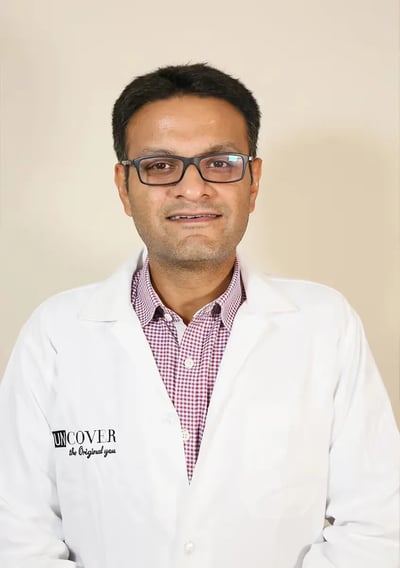
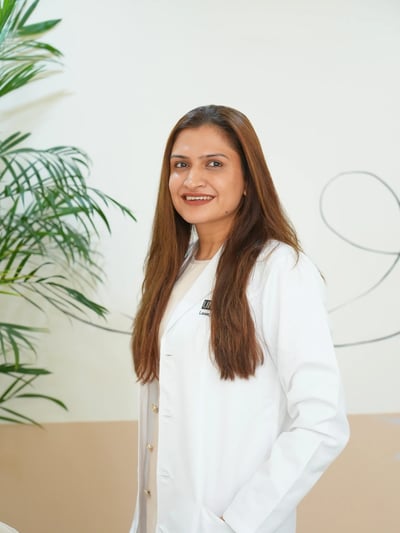
India's Finest Dermatologists at UNCOVER Wellness

Our board-certified dermatologists bring years of experience from India's top medical institutions. Every treatment is designed, supervised, and delivered by expert physicians committed to your well-being.

A hair transplant in Delhi typically costs between ₹50,000 and ₹2,00,000 depending on how many grafts you need, which technique your surgeon recommends, and the severity of your hair loss. That's a wide range, we know. But here's the thing about hair transplant cost: it's not a fixed number because no two heads are the same.

Some people walk in with early thinning at the temples. Others come in with significant bald patches covering half their scalp. The guy who needs 1000 grafts pays very differently from someone requiring 4000 grafts. Makes sense, right?

At Uncover Clinics, we've performed hundreds of hair transplant surgeries across our Delhi locations. We've seen every type of hair loss pattern imaginable. And we've learned that the best outcomes come from honest conversations about what's possible, what it costs, and what you can realistically expect.

Let's break it all down.
What Factors Affect Hair Transplant Cost in Delhi?

The hair transplant surgery cost in Delhi depends on several things. Understanding these factors helps you budget properly and avoid surprises when the bill comes.

Number of Grafts Required

This is the biggest factor. One graft contains 1 to 4 hair follicles. Someone with mild receding needs maybe 1000 to 1500 grafts. Severe baldness? You're looking at 3000 to 4000 grafts or more. The total number directly impacts your overall hair transplant cost in Delhi.

Technique Chosen

FUE costs more than FUT because it's more labour intensive. The surgeon extracts each follicle individually instead of removing a strip. Takes longer. Requires more precision. But leaves no linear scar. You pay for that advantage.

Surgeon's Experience

Here's the truth about hair restoration. Results depend heavily on who's doing the work. An experienced hair transplant surgeon in Delhi who's performed thousands of procedures charges more because they've seen every complication, every hair type, every challenging scalp. Cheaper isn't always better when your appearance is on the line.

Clinic Location

A clinic in South Delhi or Connaught Place has higher operational costs than one in outer areas. That reflects in pricing. But if you're making multiple visits over several months, convenience matters. Pick a location you can actually get to without it becoming a hassle.

Severity of Hair Loss

Someone dealing with early thinning at the hairline needs less work than someone with extensive baldness across the crown. More coverage means more grafts, more time, more cost.

What Are The Different Methods of Hair Transplant?

Not all hair transplants are the same. The technique your surgeon recommends depends on your hair loss pattern, donor area quality, and what results you're after.

FUE (Follicular Unit Extraction)

The most popular method today. Your surgeon extracts individual hair follicles from the donor area at the back of your head using a tiny punch tool. These follicles get transplanted one by one into the bald or thinning areas. No linear scar. Faster healing. You can wear your hair short without worry. Takes longer than FUT but most people prefer the results.

FUT (Follicular Unit Transplant)

Also called the strip method. The surgeon removes a thin strip of scalp from the donor area, dissects it into individual grafts under a microscope, then transplants those grafts into the recipient area. Leaves a linear scar but it hides under your hair. Good option when you need a large number of grafts in one session. Costs less than FUE because it's faster.

DHT (Direct Hair Transplant)

A more advanced version of FUE. Follicles get implanted directly after extraction without being stored outside the body. Better survival rate for the grafts. Allows denser packing. Premium pricing but premium results.

Combination Treatments

Many patients benefit from combining hair transplant surgery with PRP therapy or GFC treatment. These non-surgical options help stimulate existing follicles and improve transplant success rates. Your dermatologist might suggest a few sessions before or after your transplant for best results.

What Are The Different Methods of Hair Transplant?

Not all hair transplants are the same. The technique your surgeon recommends depends on your hair loss pattern, donor area quality, and what results you're after.

FUE (Follicular Unit Extraction)

The most popular method today. Your surgeon extracts individual hair follicles from the donor area at the back of your head using a tiny punch tool. These follicles get transplanted one by one into the bald or thinning areas. No linear scar. Faster healing. You can wear your hair short without worry. Takes longer than FUT but most people prefer the results.

FUT (Follicular Unit Transplant)

Also called the strip method. The surgeon removes a thin strip of scalp from the donor area, dissects it into individual grafts under a microscope, then transplants those grafts into the recipient area. Leaves a linear scar but it hides under your hair. Good option when you need a large number of grafts in one session. Costs less than FUE because it's faster.

DHT (Direct Hair Transplant)

A more advanced version of FUE. Follicles get implanted directly after extraction without being stored outside the body. Better survival rate for the grafts. Allows denser packing. Premium pricing but premium results.

Combination Treatments

Many patients benefit from combining hair transplant surgery with PRP therapy or GFC treatment. These non-surgical options help stimulate existing follicles and improve transplant success rates. Your dermatologist might suggest a few sessions before or after your transplant for best results.

What Are The Different Methods of Hair Transplant?

Not all hair transplants are the same. The technique your surgeon recommends depends on your hair loss pattern, donor area quality, and what results you're after.

FUE (Follicular Unit Extraction)

The most popular method today. Your surgeon extracts individual hair follicles from the donor area at the back of your head using a tiny punch tool. These follicles get transplanted one by one into the bald or thinning areas. No linear scar. Faster healing. You can wear your hair short without worry. Takes longer than FUT but most people prefer the results.

FUT (Follicular Unit Transplant)

Also called the strip method. The surgeon removes a thin strip of scalp from the donor area, dissects it into individual grafts under a microscope, then transplants those grafts into the recipient area. Leaves a linear scar but it hides under your hair. Good option when you need a large number of grafts in one session. Costs less than FUE because it's faster.

DHT (Direct Hair Transplant)

A more advanced version of FUE. Follicles get implanted directly after extraction without being stored outside the body. Better survival rate for the grafts. Allows denser packing. Premium pricing but premium results.

Combination Treatments

Many patients benefit from combining hair transplant surgery with PRP therapy or GFC treatment. These non-surgical options help stimulate existing follicles and improve transplant success rates. Your dermatologist might suggest a few sessions before or after your transplant for best results.

What Are The Different Methods of Hair Transplant?

Not all hair transplants are the same. The technique your surgeon recommends depends on your hair loss pattern, donor area quality, and what results you're after.

FUE (Follicular Unit Extraction)

The most popular method today. Your surgeon extracts individual hair follicles from the donor area at the back of your head using a tiny punch tool. These follicles get transplanted one by one into the bald or thinning areas. No linear scar. Faster healing. You can wear your hair short without worry. Takes longer than FUT but most people prefer the results.

FUT (Follicular Unit Transplant)

Also called the strip method. The surgeon removes a thin strip of scalp from the donor area, dissects it into individual grafts under a microscope, then transplants those grafts into the recipient area. Leaves a linear scar but it hides under your hair. Good option when you need a large number of grafts in one session. Costs less than FUE because it's faster.

DHT (Direct Hair Transplant)

A more advanced version of FUE. Follicles get implanted directly after extraction without being stored outside the body. Better survival rate for the grafts. Allows denser packing. Premium pricing but premium results.

Combination Treatments

Many patients benefit from combining hair transplant surgery with PRP therapy or GFC treatment. These non-surgical options help stimulate existing follicles and improve transplant success rates. Your dermatologist might suggest a few sessions before or after your transplant for best results.

What Are The Different Methods of Hair Transplant?

Not all hair transplants are the same. The technique your surgeon recommends depends on your hair loss pattern, donor area quality, and what results you're after.

FUE (Follicular Unit Extraction)

The most popular method today. Your surgeon extracts individual hair follicles from the donor area at the back of your head using a tiny punch tool. These follicles get transplanted one by one into the bald or thinning areas. No linear scar. Faster healing. You can wear your hair short without worry. Takes longer than FUT but most people prefer the results.

FUT (Follicular Unit Transplant)

Also called the strip method. The surgeon removes a thin strip of scalp from the donor area, dissects it into individual grafts under a microscope, then transplants those grafts into the recipient area. Leaves a linear scar but it hides under your hair. Good option when you need a large number of grafts in one session. Costs less than FUE because it's faster.

DHT (Direct Hair Transplant)

A more advanced version of FUE. Follicles get implanted directly after extraction without being stored outside the body. Better survival rate for the grafts. Allows denser packing. Premium pricing but premium results.

Combination Treatments

Many patients benefit from combining hair transplant surgery with PRP therapy or GFC treatment. These non-surgical options help stimulate existing follicles and improve transplant success rates. Your dermatologist might suggest a few sessions before or after your transplant for best results.

Benefits of Hair Transplant Surgery

Why do thousands of people in Delhi choose hair transplant every year? Because it works. And because the results are permanent.

Natural Looking Hair

Modern techniques create hairlines that look completely natural. Nobody can tell you've had work done. The transplanted hair grows, falls, and regrows just like the rest of your hair.

Permanent Solution

Unlike medications that stop working when you stop taking them, hair transplant gives you permanent hair restoration. The transplanted follicles come from areas resistant to the hormones that cause balding. They keep growing for life.

One Time Procedure

Most people need just one surgery. Maybe two if they want more density later. Compare that to years of applying minoxidil or taking finasteride daily. One procedure. Done.

No Special Maintenance

Your transplanted hair needs no special shampoos or treatments. Wash it normally. Style it however you want. Cut it, colour it, grow it out. It's your hair now.

Confidence Boost

Let's be honest. Hair loss affects how you feel about yourself. Getting your hair back changes that. Patients tell us they feel ten years younger after their transplant. That confidence is worth something.

Benefits of Hair Transplant Surgery

Why do thousands of people in Delhi choose hair transplant every year? Because it works. And because the results are permanent.

Natural Looking Hair

Modern techniques create hairlines that look completely natural. Nobody can tell you've had work done. The transplanted hair grows, falls, and regrows just like the rest of your hair.

Permanent Solution

Unlike medications that stop working when you stop taking them, hair transplant gives you permanent hair restoration. The transplanted follicles come from areas resistant to the hormones that cause balding. They keep growing for life.

One Time Procedure

Most people need just one surgery. Maybe two if they want more density later. Compare that to years of applying minoxidil or taking finasteride daily. One procedure. Done.

No Special Maintenance

Your transplanted hair needs no special shampoos or treatments. Wash it normally. Style it however you want. Cut it, colour it, grow it out. It's your hair now.

Confidence Boost

Let's be honest. Hair loss affects how you feel about yourself. Getting your hair back changes that. Patients tell us they feel ten years younger after their transplant. That confidence is worth something.

Benefits of Hair Transplant Surgery

Why do thousands of people in Delhi choose hair transplant every year? Because it works. And because the results are permanent.

Natural Looking Hair

Modern techniques create hairlines that look completely natural. Nobody can tell you've had work done. The transplanted hair grows, falls, and regrows just like the rest of your hair.

Permanent Solution

Unlike medications that stop working when you stop taking them, hair transplant gives you permanent hair restoration. The transplanted follicles come from areas resistant to the hormones that cause balding. They keep growing for life.

One Time Procedure

Most people need just one surgery. Maybe two if they want more density later. Compare that to years of applying minoxidil or taking finasteride daily. One procedure. Done.

No Special Maintenance

Your transplanted hair needs no special shampoos or treatments. Wash it normally. Style it however you want. Cut it, colour it, grow it out. It's your hair now.

Confidence Boost

Let's be honest. Hair loss affects how you feel about yourself. Getting your hair back changes that. Patients tell us they feel ten years younger after their transplant. That confidence is worth something.

Benefits of Hair Transplant Surgery

Why do thousands of people in Delhi choose hair transplant every year? Because it works. And because the results are permanent.

Natural Looking Hair

Modern techniques create hairlines that look completely natural. Nobody can tell you've had work done. The transplanted hair grows, falls, and regrows just like the rest of your hair.

Permanent Solution

Unlike medications that stop working when you stop taking them, hair transplant gives you permanent hair restoration. The transplanted follicles come from areas resistant to the hormones that cause balding. They keep growing for life.

One Time Procedure

Most people need just one surgery. Maybe two if they want more density later. Compare that to years of applying minoxidil or taking finasteride daily. One procedure. Done.

No Special Maintenance

Your transplanted hair needs no special shampoos or treatments. Wash it normally. Style it however you want. Cut it, colour it, grow it out. It's your hair now.

Confidence Boost

Let's be honest. Hair loss affects how you feel about yourself. Getting your hair back changes that. Patients tell us they feel ten years younger after their transplant. That confidence is worth something.

Benefits of Hair Transplant Surgery

Why do thousands of people in Delhi choose hair transplant every year? Because it works. And because the results are permanent.

Natural Looking Hair

Modern techniques create hairlines that look completely natural. Nobody can tell you've had work done. The transplanted hair grows, falls, and regrows just like the rest of your hair.

Permanent Solution

Unlike medications that stop working when you stop taking them, hair transplant gives you permanent hair restoration. The transplanted follicles come from areas resistant to the hormones that cause balding. They keep growing for life.

One Time Procedure

Most people need just one surgery. Maybe two if they want more density later. Compare that to years of applying minoxidil or taking finasteride daily. One procedure. Done.

No Special Maintenance

Your transplanted hair needs no special shampoos or treatments. Wash it normally. Style it however you want. Cut it, colour it, grow it out. It's your hair now.

Confidence Boost

Let's be honest. Hair loss affects how you feel about yourself. Getting your hair back changes that. Patients tell us they feel ten years younger after their transplant. That confidence is worth something.

Will people know I had a hair transplant?

Not if it's done well. Modern techniques create completely natural hairlines. After full recovery, nobody can tell the difference between transplanted and natural hair.

Will people know I had a hair transplant?

Not if it's done well. Modern techniques create completely natural hairlines. After full recovery, nobody can tell the difference between transplanted and natural hair.

Will people know I had a hair transplant?

Not if it's done well. Modern techniques create completely natural hairlines. After full recovery, nobody can tell the difference between transplanted and natural hair.

Will people know I had a hair transplant?

Not if it's done well. Modern techniques create completely natural hairlines. After full recovery, nobody can tell the difference between transplanted and natural hair.

Will people know I had a hair transplant?

Not if it's done well. Modern techniques create completely natural hairlines. After full recovery, nobody can tell the difference between transplanted and natural hair.

How many grafts do I need?

Depends on your degree of baldness. Mild receding hairline needs 1000 to 1500 grafts. Significant crown baldness might need 3000 to 4000 grafts. Your surgeon determines this during consultation.

How many grafts do I need?

Depends on your degree of baldness. Mild receding hairline needs 1000 to 1500 grafts. Significant crown baldness might need 3000 to 4000 grafts. Your surgeon determines this during consultation.

How many grafts do I need?

Depends on your degree of baldness. Mild receding hairline needs 1000 to 1500 grafts. Significant crown baldness might need 3000 to 4000 grafts. Your surgeon determines this during consultation.

How many grafts do I need?

Depends on your degree of baldness. Mild receding hairline needs 1000 to 1500 grafts. Significant crown baldness might need 3000 to 4000 grafts. Your surgeon determines this during consultation.

How many grafts do I need?

Depends on your degree of baldness. Mild receding hairline needs 1000 to 1500 grafts. Significant crown baldness might need 3000 to 4000 grafts. Your surgeon determines this during consultation.

Frequently Asked Questions

Will hair loss treatments interfere with my daily activities?

Most hair loss treatments are non-invasive or minimally invasive, allowing you to resume your normal daily activities with minimal disruption. Our experts will provide guidance on any necessary precautions or post-treatment care instructions to ensure optimal results.

Can women undergo hair transplants?

Yes, hair transplants are suitable for both men and women experiencing hair loss.

What is the recovery time?

Most patients return to normal activities within a few days, but complete healing may take a few weeks.

What is Hair Transplant?

It's a type of surgery that moves hair you already have to fill an area with thin or no hair. It is performed by using healthy hair grafts from the donor area ensuring best results.

Is it safe to undergo a Hair Transplant?

At UNCOVER Clinics, we have the most experienced doctors following proper examination and protocols, ensuring the highest level of safety standards.

How long does the surgery take?

The Procedure requires 4-6 hrs of surgery time. There is no need for hospitalization and the patient is discharged after the procedure.

Is the procedure of hair transplant painful?

Hair transplant is a painless procedure performed under local anesthesia. The patient can even watch movies or talk to the doctor during the procedure.

Call to Book Book FREE Appointment